
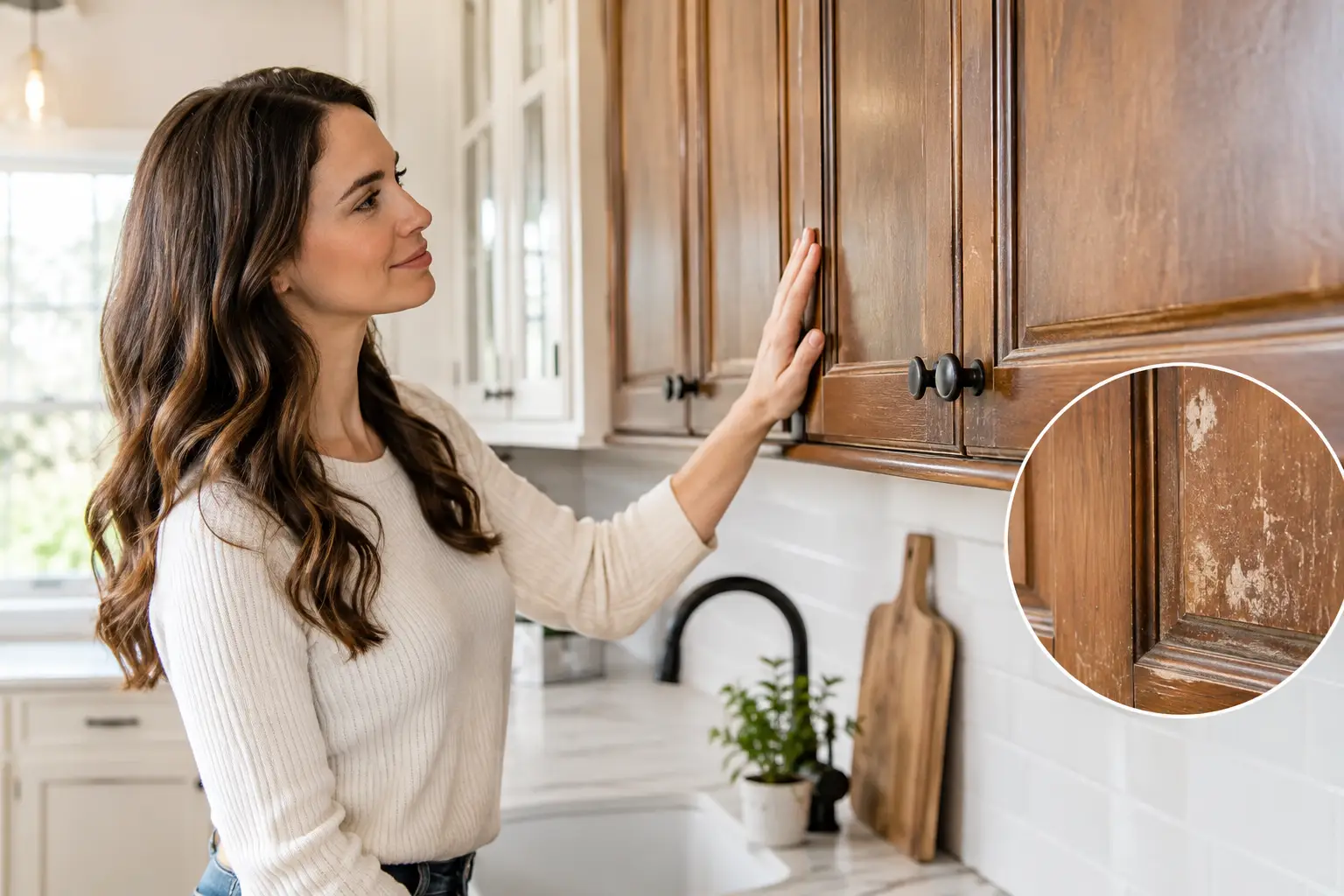
A cabinet can look clean and still make the whole room feel tired. When doors are scratched, finishes have dulled, or the color dates the kitchen, homeowners often assume replacement is the only answer. In many cases, the top signs cabinets need refinishing point to a more affordable option: restoring the cabinets you already have with the right preparation, repair, and finish.
Refinishing is not just about putting a new color over an old surface. A quality process addresses worn coatings, minor damage, grease buildup, and the details that make cabinetry look neglected. It can give a kitchen or bathroom a dramatic new look while preserving a layout that already works for your home.
1. The Finish Is Faded, Dull, or Uneven
Cabinets naturally lose their original richness over time. Sunlight can fade stained wood near windows, while frequent cleaning and daily contact can wear down paint on doors, drawer fronts, and cabinet edges. In a bathroom, moisture and humidity can also leave surfaces looking cloudy or flat.
A dull finish does not always mean the cabinetry itself is failing. If the doors are still solid, the boxes are stable, and the layout meets your needs, refinishing can restore the visual impact without the cost and disruption of replacement. A new painted finish can brighten a dark kitchen, while updated stain can bring warmth back to wood cabinetry.
Uneven color is another clue. You may notice that the cabinets around the stove, sink, or most-used drawers look different from those in less active areas. That variation often means the protective topcoat is wearing thin and the finish needs professional attention.
2. Paint Is Peeling, Chipping, or Cracking
Small chips near handles and drawer pulls are common in high-use kitchens. But when paint begins peeling in several places, cracking along door panels, or flaking at corners, it is usually more than a cosmetic issue. The existing coating may no longer be adhering properly to the cabinet surface.
Painting over peeling paint without removing loose material and preparing the surface will not solve the problem. The new coating can fail right along with the old one. Proper cabinet refinishing includes thorough cleaning, surface preparation, repair work where needed, and the use of finishes designed to stand up to everyday use.
This is especially worth considering if you have previously had cabinets painted as a quick DIY project. Brush marks, visible drips, thin coverage, or paint that scratches easily can often be corrected with a more complete refinishing process.
3. Grease, Grime, and Stains Will Not Clean Away
Kitchen cabinets work hard. Airborne grease from cooking settles on doors and frames, particularly around the range. Over years of use, it can darken painted finishes and create a sticky film that ordinary cleaning products cannot fully remove. Stains from food, hand oils, and cleaning chemicals can leave permanent discoloration as well.
When cabinets still look dirty immediately after cleaning, the problem may be the finish itself. Worn coatings become more porous, allowing grime to settle in rather than sit on the surface. Refinishing creates a fresh, cleanable finish that makes routine care easier and gives the room a noticeably cleaner appearance.
In bathrooms, look for stains around sink cabinets, drawer fronts, and lower doors. Repeated exposure to water, cosmetics, and cleaning products can damage finishes even when the cabinet structure remains in good condition.
4. Water Damage Is Showing Up Around Sinks and Appliances
Water is one of the clearest signals that cabinets need attention. Bubbling paint, swollen edges, dark marks, peeling veneer, and soft areas near the sink are all warning signs. A dishwasher leak or slow plumbing issue can affect nearby cabinet panels and toe kicks, while bathroom vanity cabinets often take the brunt of splashing and humidity.
The right solution depends on how far the damage has gone. Minor surface damage can often be repaired and refinished once the source of moisture is fixed. Severely swollen particleboard, rotted wood, or structural damage may require replacement of specific components before refinishing can begin.
The key is not to ignore it. Addressing water damage early may keep a repair manageable and protect the rest of the cabinetry. A professional evaluation can help distinguish between a cabinet that needs a new finish and one that needs more substantial repair.
5. The Cabinet Color Makes the Room Feel Dated
Sometimes cabinets are physically sound but visually stuck in another era. Orange-toned oak, heavily distressed finishes, faded white paint, or very dark cabinetry can make a kitchen or bathroom feel smaller and older than it is. If you have updated counters, flooring, hardware, or lighting but the room still does not feel finished, the cabinet color may be the missing piece.
This is where refinishing delivers one of its biggest returns. Changing cabinet color can reshape the entire feel of the room without moving plumbing, replacing countertops, or changing the footprint. Soft white, warm greige, deep blue, charcoal, natural wood tones, and two-tone combinations can all create a more current look when chosen to work with the home’s lighting and surrounding finishes.
There is a trade-off, of course. A trendy color may feel exciting now but could date quickly. Homeowners who want long-term flexibility often choose a timeless main cabinet color and bring personality through hardware, wall color, or an island accent.
6. Scratches, Dents, and Worn Edges Are Becoming Noticeable
Cabinet doors are touched, bumped, and cleaned more than almost any other surface in the home. Over time, scratches build up around knobs, dents appear on lower doors, and sharp edges lose their coating. Pets, children, moving furniture, and everyday cooking can all leave their mark.
A few minor marks may be manageable with touch-up work. When the damage appears across multiple doors or the finish is worn through to bare wood, refinishing usually provides a more consistent result. During the process, minor imperfections can be repaired before the new coating is applied, helping the cabinetry look renewed rather than merely covered up.
7. Doors and Drawers Look Fine From Far Away but Tired Up Close
Many homeowners reach a decision point when they notice their cabinets only look acceptable at a distance. Up close, they see worn corners, yellowed clear coats, brush strokes, grime around profiles, and inconsistent sheen. These details matter because cabinetry occupies so much visual space in a kitchen or bathroom.
If the cabinet doors close properly and the underlying construction is solid, refinishing is often the sensible middle ground between living with the problem and paying for full replacement. You keep the functionality of your current cabinets while investing in the visible surfaces that shape the room’s appearance.
When Refinishing Makes Sense and When It Does Not
Refinishing is a strong value when cabinet boxes are structurally sound, doors are in good shape, and you are happy with the room’s layout. It is especially appealing for homeowners who want a high-impact update while keeping control of their renovation budget.
Replacement may be the better path if cabinets have extensive water damage, failing box construction, serious mold concerns, or a layout that no longer supports how you use the space. For example, if you need additional storage, wider drawers, or a completely different kitchen configuration, a fresh finish alone will not solve those functional issues.
For many homes, though, the cabinet structure has years of life left. The finish is simply no longer doing it justice. Professional cabinet painting and refinishing can provide the clean, customized look you want at a fraction of the cost of starting over.
Bring the Best Parts of Your Cabinets Back Into View
The top signs cabinets need refinishing are easy to overlook because they develop gradually. A dull door here, a chipped edge there, and suddenly the room no longer reflects the home you want to enjoy. Taking action before minor finish issues become larger repairs can protect your cabinets and refresh the space you use every day.
For homeowners in Palm Desert, Palm Springs, La Quinta, and nearby Coachella Valley communities, Delta Custom Finishes helps transform worn cabinetry with tailored color and finish options designed around your goals and budget. A well-finished cabinet surface can make your existing kitchen or bathroom feel like a new room, without the price tag and disruption of a full remodel.